Dual-Flush Cistern Mechanisms: How to Diagnose, Fix Leaks & Save 40% Water
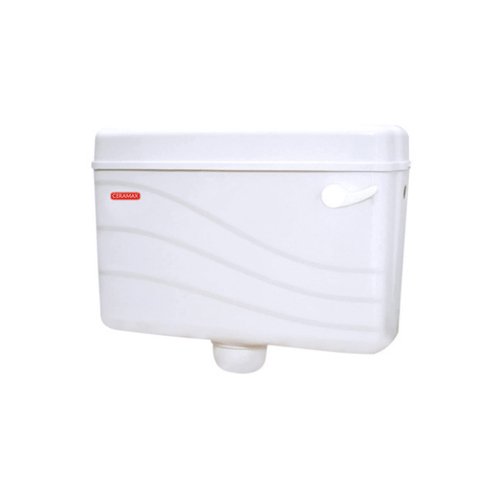
A continuously trickling toilet cistern is not just an annoying sound; it is a silent financial leak that can squander upwards of 40,000 litres of treated water every year. In Indian municipal and borewell water systems, high calcium carbonate TDS and chlorine accelerate washer degradation. This technical teardown explains how modern dual-flush mechanisms operate, how to diagnose common failure modes, and how to maintain leak-free water efficiency.
1. Diagnosing the 3 Most Common Cistern Leaks in India
When water continuously trickles into the toilet bowl, identify the root cause in 60 seconds using this diagnostic matrix:
| Symptom | Root Mechanical Cause | Corrective Solution |
|---|---|---|
| Water overflows down central siphon tube | Inlet float valve set too high or debris blocking diaphragm | Adjust float screw downwards 15mm; rinse inlet filter mesh |
| Water seeps into bowl while tank is filling | Flush valve silicone base washer fouled by hard water scaling | Unclip tower, soak silicone washer in white vinegar for 15 mins |
| Push button feels stiff or doesn't spring back | Corroded metal spring or overtightened actuator rods | Upgrade to rust-free virgin ABS actuator with 2mm clearance |
2. Upgrading to Jitonex Ceramax Dual-Flush Engineering
The Jitonex Ceramax Slim Dual-Flush Cistern replaces obsolete rubber flappers with an advanced silicone seal rated for 200,000 cycles. With an integrated 3-litre liquid and 6-litre solid flush option, homeowners cut monthly municipal water bills significantly while eliminating contractor call-backs.
Need direct manufacturer pricing or bulk supply?
Whether you are sourcing for your home or need wholesale supply for sanitaryware dealerships, plumbing projects, or residential complexes, Jitonex Global provides direct factory dispatch from Bawana, Delhi.
Comments (0)
No comments yet. Be the first to share your thoughts!
Leave a Comment
You must be logged in to leave a comment.
Login / Register